Alcoholism is a disease characterised by continuous heavy drinking. Until people with alcohol use disorder admit to problems with alcohol and stop drinking, the risk of alcohol use disorder continues which affects both physical and mental health.
Alcohol starts to injure the brain once it reaches the bloodstream.
Excessive consumption can lead to Alcohol-Related Brain Damage, or ARBD, which is a type of brain disorder caused by alcohol consumption. Brain shrinkage caused by alcohol abuse is permanent, as alcohol kills brain cells and grey matter.
For more information and effects click ‘Learn More’.
Family Recovery Compass is a newsletter for friends and family members who feel trapped between supporting a loved one in addiction, and protecting their own wellbeing.
Every week, we tackle one specific situation in addiction family dynamics, and deliver practical decision-making frameworks and exact dialogue scripts – that help you respond with confidence instead of reaction.
Every month, we bring you an unfiltered recovery conversation with someone who’s either experienced addiction firsthand, or works closely with those in recovery.
No sanitised success stories – just practical insights on what actually works in recovery, that you can apply, in your life too.
Recovery capital is the internal and external resource used to begin the recovery process and maintain sobriety. This combines personal, social, and community support to provide a joined-up approach that supports the addict through recovery.
Do you or a loved one need addiction treatment for alcohol or drugs? Thousands blindly walk into addiction treatment in expensive rehab centres and find that the reality doesn’t meet expectations.
If you’re considering rehab treatment, first check our ultimate guide for complete instructions on how to find the right rehab centre for you.
Take-home Naloxone kits help families and loved ones respond quickly in an opioid overdose emergency, until emergency services arrive. Kits contain nasal or injectable forms of Naloxone.
Changes in legislation mean Naloxone kits are now more widely available from pharmacies and drug services, including Abbeycare.
For additional information, click ‘Learn More’ below.
Overcoming alcohol addiction means first ceasing alcohol intake, and taking care of physical and chemical withdrawal symptoms.
Detoxing from alcohol means undergoing withdrawal from alcohol, but with the assistance of prescribed medication and detox phase, to substitute in place of the alcohol itself.
Alcohol rehab focuses on tackling the problems underneath alcoholism, such as grief, trauma, depression, and emotional difficulties, in order to reduce continuing drinking after treatment.
Inpatient services at an alcohol rehab programme provides 24 hour access to specialist care.
Alcohol home detox provides a means of semi-supervised addiction treatment in the comfort of your home. It’s often suitable for those with inescapable practical commitments, or where a reduced budget for treatment is available.
An at-home detox is the most basic detox option available from Abbeycare, and assumes you have support available, post-detox, for the other important elements of long-term addiction recovery.
The term alcoholism refers to the consumption of alcohol to the extent that the person is unable to manage their own drinking habits or patterns, resulting in side-effects that are detrimental to the quality of life and health of the alcoholic, or those around them.
An alcoholic is someone who continues to compulsively abuse alcohol in this way, despite the negative consequences to their lives and health.
Immediately following treatment, the early stages of recovery and abstinence are most vulnerable to lapses.
At Abbeycare, a structured and peer-reviewed aftercare plan is usually prepared whilst still in treatment. This comprises social, peer, and therapeutic resources individuals draw upon, following a residential treatment programme for drug or alcohol misuse.
Clinically managed residential detoxification is:
– A structured detox that uses medication-assisted treatment and regular physical health observations
– Takes place in an inpatient rehabilitation unit or hospital
– Typically lasts from 7-10 days, but in Abbeycare, it is incorporated into a 28-day rehab programme
Family Therapy at Abbeycare Scotland or Gloucester is realistic, compassionate, and appropriate for families and loved ones of addicts.
Family therapeutic interventions in residential rehabilitation have been designed to support those living with or caring for participants entering the Abbeycare Programme.
Support for families in a group setting allows for a safe, constructive, and confidential place to listen and share common experiences.
Inpatient rehab is drug and/ or alcohol treatment in a rehab centre, where patients remain on-site for the duration of inpatient rehabilitation.
It includes detoxification from drugs, therapy (group work and 1-2-1 sessions), and aftercare planning. Inpatient rehabs typically last 28 days, but this varies on an individual basis.
Long-term treatment at Abbeycare has been developed for those suffering from alcohol or drug addiction. Completing a long-term drug and alcohol inpatient programme may be the solution to problematic substance use.
Motivational Enhancement Therapy can be used by trained addiction recovery therapists to elicit internal changes within and promote long-term recovery from substance use disorder.
All the answers to addiction can be found within with this comprehensive and successful therapy concept leads to behavioural changes, reflective listening, self-motivational statements, and a comprehensive recovery process.
Outpatient drug or alcohol rehab is daytime treatment as opposed to living in a treatment facility.
Outpatient treatment is similar to inpatient in terms of the methods used to treat substance abuse. Where they differ is in their approach to recovery.
Abbeycare’s prison to rehab is a 12-week structured rehab programme which involves direct transfer from prison. The suitability of the candidate is decided by prison staff.
Short-term residential treatment programmes are the chance to press the reset button and access a therapeutic programme designed to create recovery from the use of alcohol and drugs.
Feeling stuck in a rut. Want to stop but can’t seem to achieve sobriety?
Click below.
The 12-step programme was created by alcoholics anonymous (AA), and is specifically designed to aid addicts in achieving and maintaining abstinence.
The central ethos behind the programme is that participants must admit and surrender to a divine power to live happy lives. Ideas and experiences are shared in meetings, and help is sought in an attempt to achieve abstinence.
Abbeycare’s policy to respect your privacy and comply with any applicable law and regulation regarding any personal information we may collect about you, including across our website and other sites we own and operate.
The recovery process from alcohol addiction requires the support of friends and family.
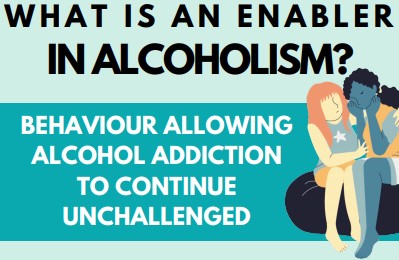
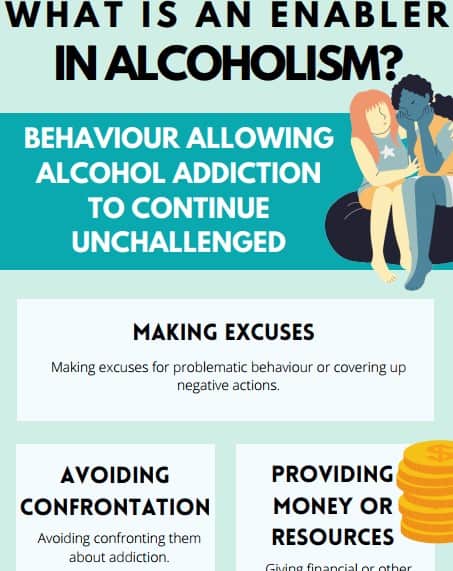
Enabling is where an individual close to those suffering with a drug or alcohol problem justifies, ignores or covers up another's addiction, and shields them from the consequences [2].
Unknowingly assisting someone in continuing an addiction is different from well meaning help and support from loved ones, as it has a detrimental effect on long term recovery.
Enabling allows the continuation of destructive behaviour, and demonstrates to the alcoholic that there will always be a system there to fix problems created by addiction. This slows down, or even fully prevents, recovery [3].
It will appear to others, that enablers are knowingly complicit in assisting an addiction to continue, and willingly support the addict's negative choices.
But, enablers are usually not aware of any negative behaviour, and are motivated by wanting the help the alcoholic avoid the short-term consequences that addiction usually results in.
When it is a friend or family member going through addiction, it is difficult to see the line between helping them beat addiction, and enabling behaviour.
Enablers find themselves struggling with the ramifications of the loved one's addiction and want to stop them from coming to harm as much as possible [4].
As they try to prevent a crisis affecting the alcoholic, they themselves are experiencing constant stress and worry.
Around 50% of adults will relapse within the first six months of recovery, with figures higher amongst ethnic minorities and those with mental health issues.
The success of support groups has shown the importance of other individuals being involved in recovery, but enabling addicts' behaviours will have a damaging effect on any chance of recovery [5].
What Enabling Looks Like
Enabling is more subtle than directly supplying someone with drugs or alcohol, which is why it is usually unconscious. Behaviours that enable addiction include:
Denial, minimising the addiction, or convincing themselves that the addict has it under control
Monitoring alcohol intake, making sure they avoid drink driving and other dangerous activities [6], but allowing the long term alcohol addiction to continue
Making excuses for problematic behaviour or covering up negative actions
Ignoring own needs to focus on the needs of the alcoholic
Avoiding confronting them about addiction
Taking on responsibilities for the addict
Providing financial assistance [7]
Giving money, not just to buy alcohol, but any money to help with missed work or other consequences of alcoholism
Lying to others on behalf of the addict, covering up addiction to friends, family or even employers
Taking on domestic and professional responsibilities, including paying bills, childcare or cleaning the house
Whilst these seem like acts of kindness, they are all acts that diminish the responsibility of the individual in active addiction [8].
Helping Vs Enabling
There is an important distinction to be made between genuinely helping someone with alcohol use disorder, and unconsciously allowing negative behaviour to continue unchecked.
Family members enabling addictive behaviours will arise from love and care for the individual.
Wanting to keep them safe and away from harm, in the short term, will have a negative effect in the long term, as the alcoholic doesn't experience the associated negative consequences, and therefore never learns from them.
Medical Practitioners
This will apply more to substance abuse than alcohol addiction, but it is still possible for medical practitioners to display enabling behaviours toward alcoholics.
An enabling medical practitioner will accept any excuses, or attempt to prescribe medication, that might lessen the pain of short term withdrawal symptoms, but without a bigger picture plan for recovery, repeated short term detoxing will harm the addict's health in the long term.
What Causes Enabling Behaviours?
Individuals showing enabling behaviours don't realise what they are doing, and the damage they are causing the person suffering from alcohol use disorder.
Enablers have a desire to feel needed, and get a feeling of self worth and self esteem from acts of enabling.
The enabler will believe that this behaviour is the only way to maintain relationships with others [10].
Enabling is considered to come from co-dependency [11].
Co-dependency is categorised as ignoring the needs of self in favour of others.
It was first used as a term for the partners of those struggling with addiction, but is now used also for those suffering with mental health issues, disabilities and generational trauma [12].
Neglect or abuse, a family history of personality disorders and growing up with dismissive parents are also factors that have been proven to cause co-dependent behaviour [13].
Negative Effects Of Enabling On The Enabler
Whilst there are detrimental effects that enabling will have on an alcoholic, such as worsening addiction, there are also negative consequences for the enabler.
These include:
The enabler feeling a loss of control if the addict wants to do things for themselves
Arguments will worsen, alcoholics become unpredictable whereas the enabler feels they have done everything to support them and can't understand the addict's anger
Losing confidence and self worth
Feeling a lack of own identity outside of helping others
Personal needs not being met correctly
Becoming resentful, enablers develop resentment, but enable the addict at the same time, causing a vicious cycle of addiction [14]
Negative Effects Of Enabling On The Alcoholic
Effects of enabling on those suffering from alcohol use disorder include:
Giving them the impression that negative behaviour is acceptable and they don't need to change
A lack of boundaries created by the enabler allows the addict to increase any selfish or destructive behaviour
Becoming dependent on the enabler means they are less likely to seek out recovery
It becomes easier to continue the addiction
Ways that the enabler tries to help such as giving them money allows addiction to continue as the sufferer doesn't associate their actions with any real-world consequences
Ultimately, the enabler creates an environment that allows the person with alcohol dependency to continue with addiction and be less motivated to seek treatment [15].
Avoiding Enablers
Avoiding enablers is difficult, as these are often the closest individuals to the one dealing with addiction and a large part of the addict's support system.
In addition, enablers may themselves become addicted to enabling behaviours, so will do anything to stay in the life of the addict.
Those struggling with alcohol issues try to distance themselves from the enabler, but this is difficult if they are a close family member.
Things to do if an enabler cannot be removed are:
Setting boundaries
Limiting the time that they spend with the enabler
Encouraging the person to seek help to stop enabling behaviour
Not spending time alone with the enabler, preferably with others who are aware of the situation and will stop any enabling from occurring
Ceasing to rely on the enabler and seeking treatment for alcoholism [16]
It is preferable when entering a treatment facility for the person with alcohol use disorder to not see the enabler, as they focus on recovery.
It may be possible for the enabler to come back into the life of the addict later, as part of a long-term addiction treatment.
To stop the cycle of enabling, it is important that the enabler learns to stop encouraging negative behaviour.
This is achieved by:
Acknowledging how enabling has negatively impacted the person with alcohol use disorder
Establishing boundaries, making it clear what they are not willing to do for them anymore and learning to say no
Seeking treatment for themselves, therapy to discuss why they carried out this enabling behaviour and how to avoid it in the future
Providing encouragement for seeking treatment and throughout that process, but in a supportive role, allowing them to take the responsibility for recovery and the future [17]
About the author
Harriet Garfoot
Harriet Garfoot BA, MA has an Undergraduate degree in Education Studies and English, and a Master's degree in English Literature, from Bishop Grosseteste University. Harriet writes on stress & mental health, and is a member of the Burney Society. Content reviewed by Laura Morris (Clinical Lead).